Strong Shells, Better Hatch: Why Nutrition Matters for Egg Shell Quality เปลือกไข่แข็งแรง อัตราการฟักดี: ทำไมโภชนาการจึงสำคัญต่อคุณภาพเปลือกไข่
In every broiler breeder operation, thousands of eggs pass through hands, belts, trays, and incubation systems each week. While some eggs are obviously unsuitable for setting due to shell issues, others that look normal may harbor contamination or minor flaws that could later result in a lost embryo. Nutrition and farm management both play roles in supporting shell quality, increasing the number of settable eggs, and improving hatchability.
ในทุกการดำเนินงานของฟาร์มไก่พ่อแม่พันธุ์เนื้อ ในแต่ละสัปดาห์มีไข่หลายพันฟองต้องผ่านมือ สายพาน ถาด และเข้าสู่กระบวนการฟัก แม้ว่าไข่บางฟองจะมีปัญหาเปลือกไข่ที่เห็นได้ชัดจนไม่เหมาะสำหรับการเข้าฟัก แต่ไข่ฟองอื่นที่ดูปกติอาจมีการปนเปื้อนหรือมีข้อบกพร่องเล็กน้อยที่อาจส่งผลให้ตัวอ่อนตายในภายหลัง ทั้งโภชนาการและการจัดการฟาร์มต่างมีบทบาทสำคัญในการสนับสนุนคุณภาพของเปลือกไข่ เพิ่มจำนวนไข่คัดเข้าฟัก และปรับปรุงอัตราการฟักให้ดีขึ้น
Why eggshell quality is so important
ทำไมคุณภาพเปลือกไข่ถึงสำคัญ?
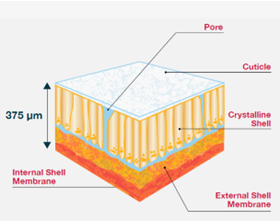
The eggshell is far more than a simple container. It protects the developing chick, allows the egg to “breathe,” and helps keep bacteria out. About 94–95% of the shell is made of calcium carbonate, arranged in a complex structure with layers, pores, and a thin outer coating called the cuticle. The cuticle seals the shell and plays a key role in controlling moisture loss and bacterial entry. Right after the egg is laid, this cuticle is still soft and not fully protective. If a fresh egg is laid on dirty bedding, bacteria can enter before the cuticle hardens. This is why clean nests, encouraging hens to lay in the nest, and good litter management are important.
เปลือกไข่เป็นมากกว่าแค่ “เปลือกห่อหุ้ม” มันทำหน้าที่ปกป้องลูกไก่ที่กำลังพัฒนา ช่วยให้ไข่สามารถ “หายใจ” ได้ และช่วยป้องกันแบคทีเรียไม่ให้เข้าไปข้างใน เปลือกไข่ประมาณ 94–95% ประกอบด้วยแคลเซียมคาร์บอเนต ซึ่งจัดเรียงตัวเป็นโครงสร้างที่ซับซ้อนประกอบด้วยชั้นต่าง ๆ รูพรุน และสารเคลือบผิวชั้นนอกบาง ๆ ที่เรียกว่า คิวติเคิล (cuticle) ซึ่งทำหน้าที่ปิดผนึกเปลือกไข่และมีบทบาทสำคัญในการควบคุมการสูญเสียความชื้นและช่วยป้องกันแบคทีเรีย คิวติเคิลนี้จะยังนิ่มและยังทำหน้าที่ปกป้องได้ไม่เต็มที่หลังจากแม่ไก่เพิ่งวางไข่ หากไข่ที่เพิ่งวางใหม่ ๆ ตกลงบนวัสดุรองพื้นที่สกปรก แบคทีเรียจะสามารถเข้าไปได้ก่อนที่คิวติเคิลจะแข็งตัว นี่คือเหตุผลว่าทำไมรังที่สะอาด การส่งเสริมให้แม่ไก่วางไข่ในรัง และการจัดการวัสดุรองพื้นที่ดีจึงเป็นสิ่งสำคัญ
Cracks, stains, and hidden problems
รอยร้าว คราบสกปรก และปัญหาที่ซ่อนอยู่
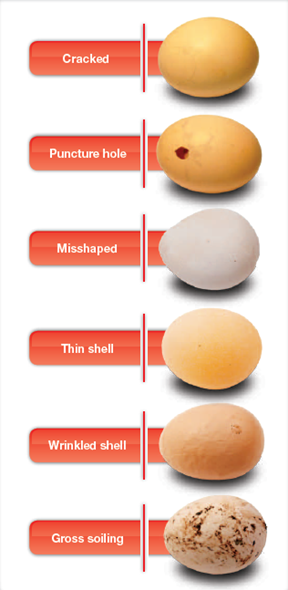
Everyone recognizes a completely broken egg, but not all shell problems are obvious. Hairline cracks can be difficult to detect at lay, but often become more visible after a short period of storage. Eggs with hairline cracks lose more moisture, experience higher embryo mortality, and reduced hatchability compared to intact eggs. Malformed eggs are more prone to breakage during handling and greater moisture loss, while dirty eggs increase the risk of contamination and poor hatch.
ทุกคนย่อมรู้จักไข่ที่แตกละเอียด แต่ปัญหาของเปลือกไข่ไม่ได้แสดงออกมาให้เห็นชัดเจนเสมอไป รอยร้าวขนาดเล็ก (hairline cracks) อาจตรวจพบได้ยากในขณะที่ไก่วางไข่ แต่มักจะเห็นชัดขึ้นหลังจากผ่านการเก็บรักษาไปสักระยะ ไข่ที่มีรอยร้าวขนาดเล็กจะสูญเสียความชื้นมากกว่า มีอัตราการตายของตัวอ่อนสูงกว่า และมีอัตราการฟักลดลงเมื่อเทียบกับไข่ที่สมบูรณ์ ไข่ที่รูปทรงผิดปกติมีโอกาสแตกหักง่ายขึ้นในระหว่างการจัดการและมีการสูญเสียความชื้นมากขึ้น ในขณะที่ไข่ที่สกปรกจะเพิ่มความเสี่ยงของการปนเปื้อนและทำให้อัตราการฟักต่ำ
What affects eggshell quality?
ปัจจัยที่มีผลต่อคุณภาพเปลือกไข่
Many factors influence shell quality, including hen age, time of lay, disease, heat stress, water quality, and general flock management. As hens age, their eggs naturally get bigger, but the amount of shell does not increase at the same rate. To support relative shell thickness, ensure appropriate body condition in early production, manage bodyweight changes as the birds age, maintain persistency of production, and control late egg weight. A phased feeding program that gradually reduces protein and amino acid levels as the flock ages will help support these goals.
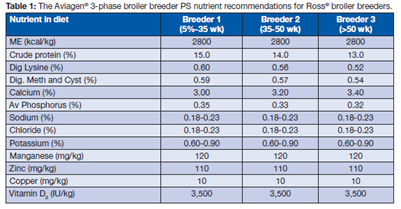
ปัจจัยหลายอย่างส่งผลต่อคุณภาพของเปลือกไข่ รวมถึงอายุของแม่ไก่ เวลาที่วางไข่ โรค ความเครียดจากอากาศร้อน คุณภาพน้ำ และการจัดการฝูงโดยทั่วไป ไข่จะมีขนาดใหญ่ขึ้นตามธรรมชาติเมื่อแม่ไก่อายุมากขึ้น แต่ปริมาณเปลือกไข่ไม่ได้เพิ่มขึ้นในอัตราเดียวกัน เพื่อสนับสนุนความหนาของเปลือกไข่ ต้องมั่นใจว่าแม่ไก่มีสภาพร่างกายที่เหมาะสมในช่วงต้นของการผลิต จัดการการเปลี่ยนแปลงของน้ำหนักตัวเมื่อไก่อายุมากขึ้น รักษาความต่อเนื่องของผลผลิตไข่ และควบคุมน้ำหนักไข่ในช่วงท้าย โปรแกรมการให้อาหารแบบแบ่งระยะในช่วงให้ผลผลิตที่ค่อย ๆ ลดระดับโปรตีนและกรดอะมิโนลงเมื่อฝูงไก่อายุมากขึ้นจะช่วยสนับสนุนเป้าหมายเหล่านี้
Calcium: the foundation of a strong shell
แคลเซียม: รากฐานของเปลือกไข่ที่แข็งแกร่ง
Because eggshells are mostly calcium carbonate, calcium is critical to shell quality. During peak lay, a broiler breeder hen may need up to 5 grams of calcium per day just for shell formation. If calcium supply is too low, farms may see thin or soft shells, cracked eggs, or a drop in egg production. Coarse calcium sources, such as large limestone grit or oyster shell, stay longer in the hen’s gizzard and release calcium slowly throughout the night, when most shell formation occurs. Adding about 2 grams of coarse limestone per bird in the afternoon can improve shell strength and hatchability, and may indirectly enhance chick quality and viability, especially in older flocks. Always ensure that calcium sources are biosecure to prevent the introduction of pathogens.
เนื่องจากเปลือกไข่ส่วนใหญ่เป็นแคลเซียมคาร์บอเนต แคลเซียมจึงมีความสำคัญอย่างยิ่งต่อคุณภาพเปลือกไข่ ในช่วงพีคของการให้ผลผลิตไข่ แม่ไก่พ่อแม่พันธุ์อาจต้องการแคลเซียมสูงถึง 5 กรัมต่อวันเพื่อใช้ในการสร้างเปลือกไข่เพียงอย่างเดียว หากการจัดหาแคลเซียมต่ำเกินไป ฟาร์มอาจพบเปลือกไข่บางหรือนิ่ม ไข่ร้าว หรือผลผลิตไข่ลดลง แหล่งแคลเซียมชนิดหยาบ เช่น หินเกล็ดขนาดใหญ่หรือเปลือกหอยนางรม จะอยู่ในกึ๋นของแม่ไก่ได้นานกว่าและปล่อยแคลเซียมออกมาอย่างช้า ๆ ตลอดทั้งคืน ซึ่งเป็นช่วงเวลาที่การสร้างเปลือกไข่ส่วนใหญ่เกิดขึ้น การเสริมหินเกล็ดประมาณ 2 กรัมต่อตัวในช่วงบ่ายสามารถปรับปรุงความแข็งแรงของเปลือกไข่และอัตราการฟัก และอาจช่วยเพิ่มคุณภาพและอัตราการอยู่รอดของลูกไก่ทางอ้อม โดยเฉพาะในฝูงไก่ที่มีอายุมาก ทั้งนี้ต้องมั่นใจเสมอว่าแหล่งแคลเซียมมีความปลอดภัยทางชีวภาพเพื่อป้องกันการนำเข้าของเชื้อก่อโรค
Phosphorus and Vitamin D₃: essential partners
ฟอสฟอรัสและวิตามินดี 3: คู่หูที่สำคัญ
Calcium does not work alone. Phosphorus helps hens rebuild their bone reserves, which are used during shell formation. Too little available phosphorus can weaken shells, but too much can also reduce shell quality. The key is balance, especially after 35 weeks of age. Vitamin D₃ is another critical nutrient because it helps hens absorb and use calcium effectively. If Vitamin D₃ is too low, shell weight drops quickly, and shells become weaker.
แคลเซียมไม่ได้ทำงานเพียงลำพัง ฟอสฟอรัสช่วยให้แม่ไก่สร้างคลังสำรองในกระดูก ซึ่งจะถูกนำมาใช้ในระหว่างการสร้างเปลือกไข่ ฟอสฟอรัสในรูปที่ถูกนำมาใช้ประโยชน์ได้น้อยเกินไปสามารถทำให้เปลือกไข่อ่อนแอ แต่ถ้ามากเกินไปก็สามารถลดคุณภาพเปลือกไข่ได้เช่นกัน กุญแจสำคัญคือความสมดุล โดยเฉพาะหลังจากอายุ 35 สัปดาห์ ส่วนวิตามินดี 3 เป็นสารอาหารที่สำคัญอีกชนิดหนึ่งเพราะช่วยให้แม่ไก่ดูดซึมและใช้แคลเซียมได้อย่างมีประสิทธิภาพ หากวิตามินดี 3 ต่ำเกินไป น้ำหนักเปลือกไข่จะลดลงอย่างรวดเร็วและเปลือกไข่จะอ่อนแอลง
Trace minerals and electrolyte balance
แร่ธาตุรองและความสมดุลของอิเล็กโทรไลต์
Trace minerals such as manganese, zinc, and copper also support shell strength and structure. Using high-quality mineral sources, including some in organic forms, can help improve shell quality. Electrolyte balance (the right mix of sodium, potassium, and chloride) is equally important, especially in hot climates. When birds pant during heat stress, they lose carbon dioxide, which can alter blood pH and interfere with shell formation. Simply adding more calcium does not fix this. Instead, replacing part of the salt in feed with sodium bicarbonate and ensuring adequate potassium can help restore proper shell strength. Drinking water quality should also be monitored, including pH, hygiene, and mineral profile. Elevated levels of certain minerals, such as sodium, chloride, or sulfates, can contribute to electrolyte imbalance and negatively affect shell quality.
แร่ธาตุรอง เช่น แมงกานีส สังกะสี และทองแดง ยังช่วยสนับสนุนความแข็งแรงและโครงสร้างของเปลือกไข่ การใช้แหล่งแร่ธาตุคุณภาพสูง รวมถึงบางส่วนในรูปแบบอินทรีย์ สามารถช่วยปรับปรุงคุณภาพเปลือกไข่ได้ ความสมดุลของอิเล็กโทรไลต์ (ส่วนผสมที่เหมาะสมของโซเดียม โพแทสเซียม และคลอไรด์) ก็มีความสำคัญไม่แพ้กัน โดยเฉพาะในเขตภูมิอากาศร้อน เมื่อไก่หอบในช่วงที่เกิดความเครียดจากความร้อน พวกมันจะสูญเสียก๊าซคาร์บอนไดออกไซด์ ซึ่งสามารถเปลี่ยนแปลงค่า pH ในเลือดและรบกวนการสร้างเปลือกไข่ การเพิ่มแคลเซียมเพียงอย่างเดียวไม่สามารถแก้ไขปัญหานี้ได้ แต่การแทนที่เกลือบางส่วนในอาหารด้วยโซเดียมไบคาร์บอเนตและการตรวจสอบว่ามีโพแทสเซียมเพียงพอจะช่วยคืนความแข็งแรงของเปลือกไข่ที่เหมาะสมได้ นอกจากนี้ควรตรวจสอบคุณภาพน้ำดื่มด้วย รวมถึงค่า pH สุขอนามัย และแร่ธาตุต่าง ๆ ระดับแร่ธาตุบางชนิดที่สูงเกินไป เช่น โซเดียม คลอไรด์ หรือซัลเฟต สามารถส่งผลต่อความไม่สมดุลของอิเล็กโทรไลต์และส่งผลเสียต่อคุณภาพเปลือกไข่
Feeding time: the timing of feeding matters
เวลาในการให้อาหาร: จังหวะเวลาเป็นเรื่องสำคัญ
To better align calcium availability with shell formation, it is recommended to feed either within one hour of lights on or split feeding with a second feed approximately 6 hours after lights on. Feeding later in the afternoon can improve shell quality because more calcium is available during nighttime shell formation. While this may not be practical for every farm, it is worth considering if shell quality problems persist.
เพื่อให้การกระจายแคลเซียมสอดคล้องกับการสร้างเปลือกไข่ได้ดียิ่งขึ้น แนะนำให้ให้อาหารภายในหนึ่งชั่วโมงหลังจากเปิดไฟ หรือแบ่งการให้อาหารโดยให้มื้อที่สองประมาณ 6 ชั่วโมงหลังจากเปิดไฟ การให้อาหารในช่วงบ่ายแก่ ๆ สามารถปรับปรุงคุณภาพเปลือกไข่ได้เนื่องจากมีแคลเซียมพร้อมใช้มากขึ้นในระหว่างการสร้างเปลือกไข่ช่วงกลางคืน แม้ว่าวิธีนี้อาจจะไม่สะดวกสำหรับทุกฟาร์มแต่ก็คุ้มค่าที่จะพิจารณาหากปัญหาคุณภาพเปลือกไข่ยังคงมีอยู่
Better shells, better results
เปลือกไข่ดีขึ้น ผลลัพธ์ดีขึ้น
Combining good nutrition with appropriate farm practices gives stronger shells with fewer cracks, less contamination, better embryo survival, and healthier chicks. Paying close attention to nutrition, water, and feeding practices is one of the most reliable ways to lift hatchability and improve overall flock performance.
การผสมผสานโภชนาการที่ดีเข้ากับการปฏิบัติในฟาร์มที่เหมาะสมจะทำให้ได้เปลือกไข่ที่แข็งแรงขึ้น มีรอยร้าวน้อยลง การปนเปื้อนลดลง อัตราการอยู่รอดของตัวอ่อนดีขึ้น และลูกไก่ที่แข็งแรงขึ้น การใส่ใจอย่างใกล้ชิดต่อโภชนาการ น้ำ และวิธีการให้อาหารเป็นหนึ่งในวิธีที่น่าเชื่อถือที่สุดในการยกระดับอัตราการฟักและปรับปรุงประสิทธิภาพการผลิตโดยรวมของฝูงไก่
For more information, visit www.aviagen.com or scan the QR code.
สำหรับข้อมูลเพิ่มเติม โปรดเยี่ยมชม www.aviagen.com หรือสแกนคิวอาร์โค้ด