Wagyu from Japan From the Dedication of Producers to the Confidence of the Thai Market
In the food business, ingredients are not selected based solely on price. They are evaluated through their origin, story, consistency, and reliability. Among all beef products in the global market, Japanese Wagyu has long been recognized as a benchmark of quality. Thailand, in particular, continues to be one of the key markets that Japan places great importance on.
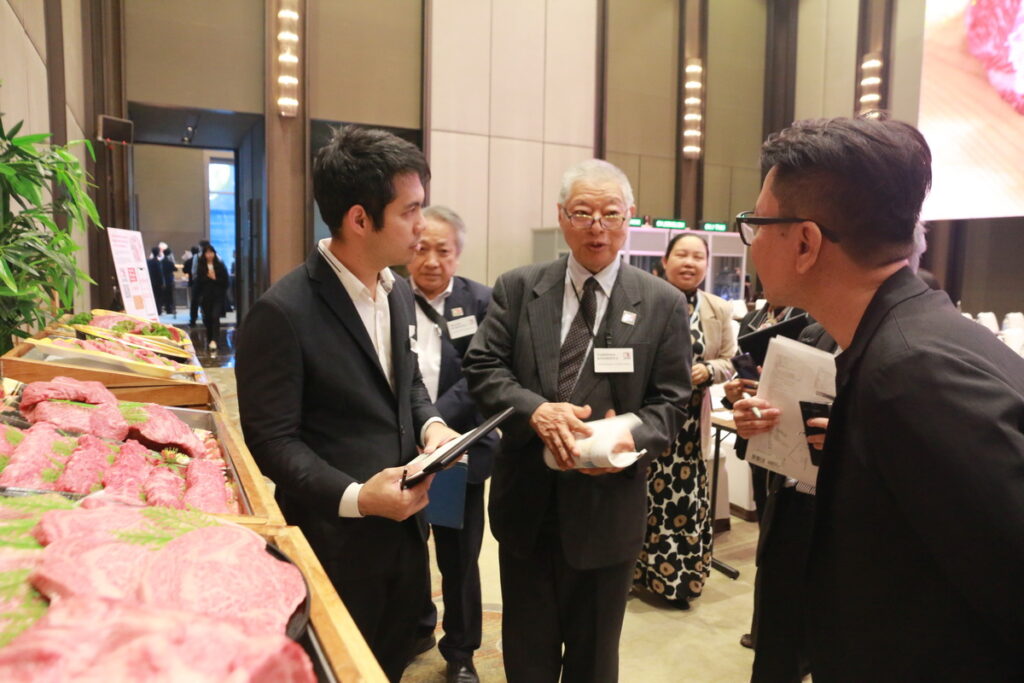
This was reflected in the Japanese WagyuSeminar, held in Thailand on 14 January 2026. The seminar was organized by the Japan Livestock Products Export Promotion Council (J-LEC) Taste Japan’s Finest Wagyu: Tasting & Networking Seminar in Bangkok at The Okura Prestige Bangkok, with the objective of broadcasting comprehensive knowledge of Japanese Wagyu —about production systems, breeding practices, and grading standards, to its practical applications within the restaurant and food service industry.
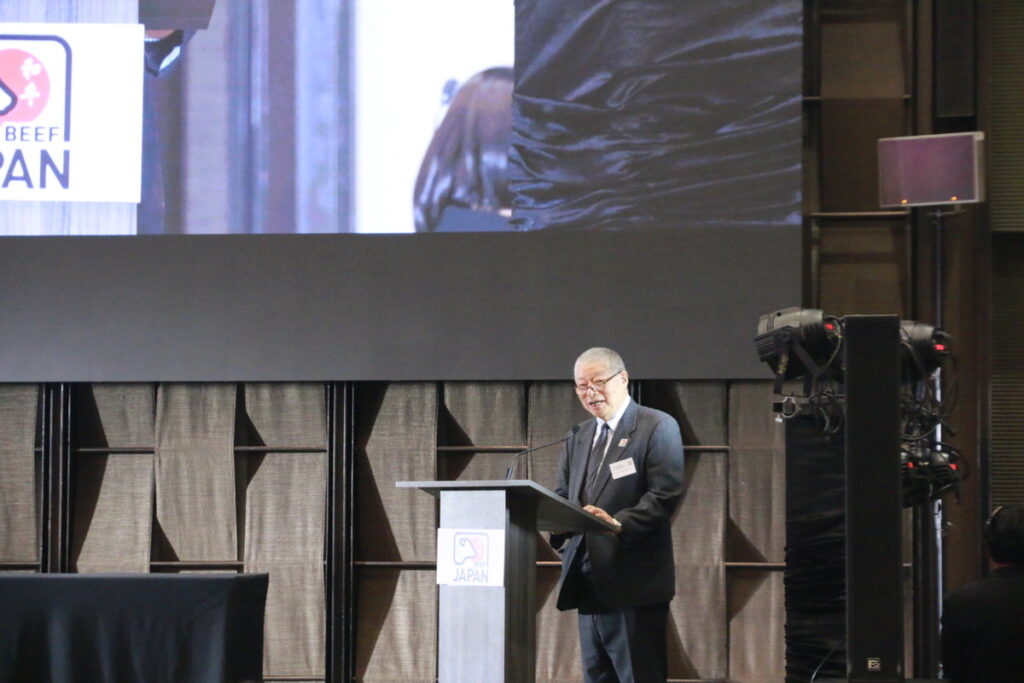
The event was honored by the presence of Mr. Yoshitomo Kinoshita, Chairman of the Japan Beef Export Promotion Council, who has been involved in promoting Japanese Wagyu to global markets.
He emphasized that the primary purpose of the seminar was not merely to introduce Wagyu beef, but to ensure that the Thai market gains a correct and thorough understanding of Japanese Wagyu, covering its genetics, breeding systems, and appropriate culinary use.
He highlighted the importance of clearly distinguishing 100% Japanese Wagyu from Wagyu produced overseas, which is mostly crossbred cattle. Such understanding, he noted, is essential for ensuring that the growth of the Japanese Wagyu market in Thailand is built on knowledge and true value.
Thailand is one of the key markets for Japanese Wagyu. In 2024, Thailand ranked sixth globally in imports of Japanese beef, with import value increasing by more than 2.5 times compared to 2019.
Japanese Wagyu: Beef Recognized Worldwide
Japanese Wagyu begins with its genetic heritage. The term “Wagyu” originates from the words Wa (Japan) and Gyu (cattle). Authentic Japanese Wagyu refers exclusively to cattle that are born, raised, slaughtered, and processed entirely within Japan, under strict standards and regulatory control.
Japan has four Wagyu breeds: Japanese Black, Japanese Brown, Japanese Shorthorn, and Japanese Polled cattle. More than 97% of Wagyu that is raised in Japan is Japanese Black cattle. Remarkably, many of today’s Japanese Black cattle are descendants of a single sire born approximately 80 years ago, known for passing on superior meat quality.
In contrast, Wagyu produced outside Japan is typically crossbred, resulting in clear differences in marbling, aroma, and flavor when compared with authentic Japanese Wagyu.
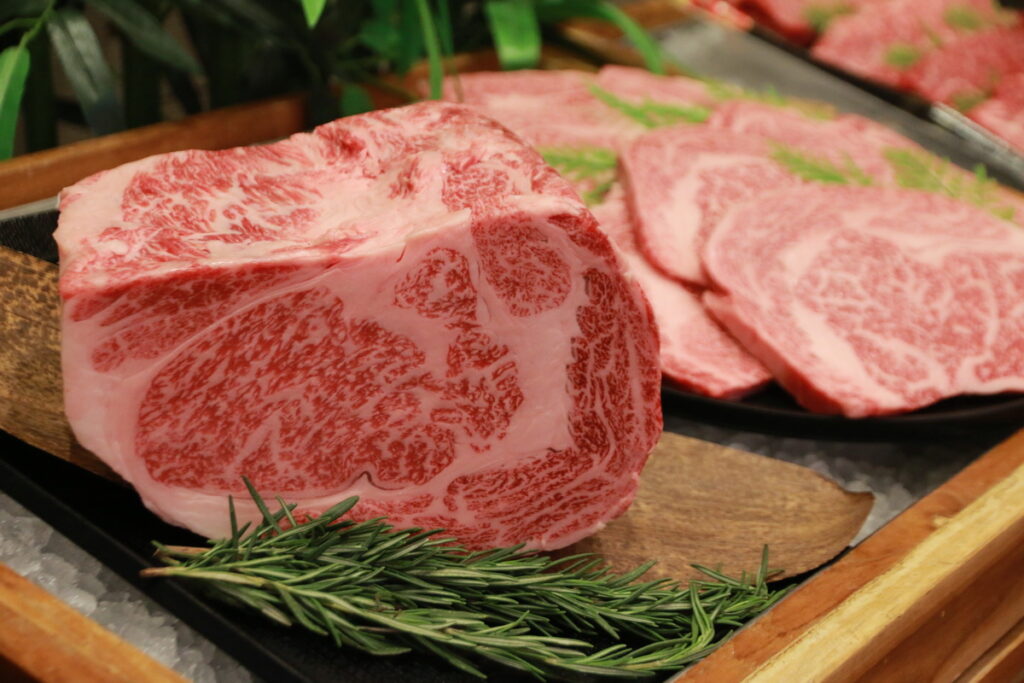
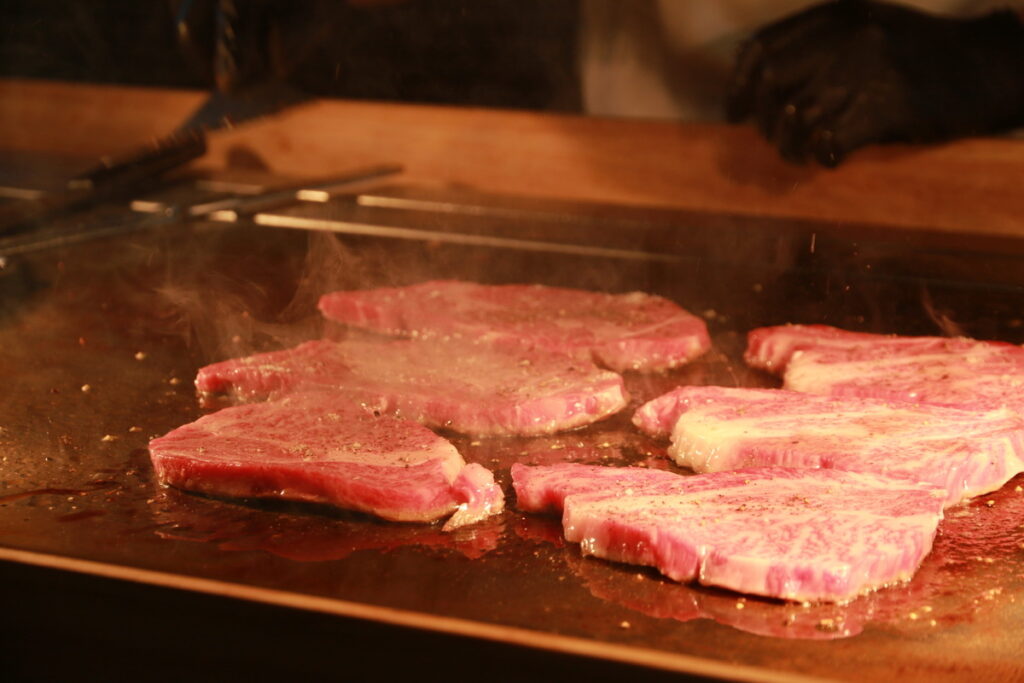
The defining characteristic of Japanese Wagyu is its fine marbling, known as Sashi. This marbling is the result of: The genetic traits of Japanese Black cattle. Carefully managed feeding programs. Farm-specific fattening techniques.
Wagyu fat contains a high proportion of oleic acid, giving it a low melting point. As a result, the fat melts smoothly in the mouth, creating a refined texture. Marbling is therefore not merely visual appeal, but the very structure of Wagyu’s flavor and mouthfeel.
Another defining feature of Japanese Wagyu is its unique aroma, known as Wagyu Beef Aroma. This aroma is derived from lactone compounds naturally present in Wagyu fat and becomes most pronounced when the meat is heated to approximately 80°C.
The aroma is described as gently sweet, reminiscent of coconut, peach, or milk. Even after cooling, Wagyu continues to release aroma during chewing, offering a lasting sensory experience.
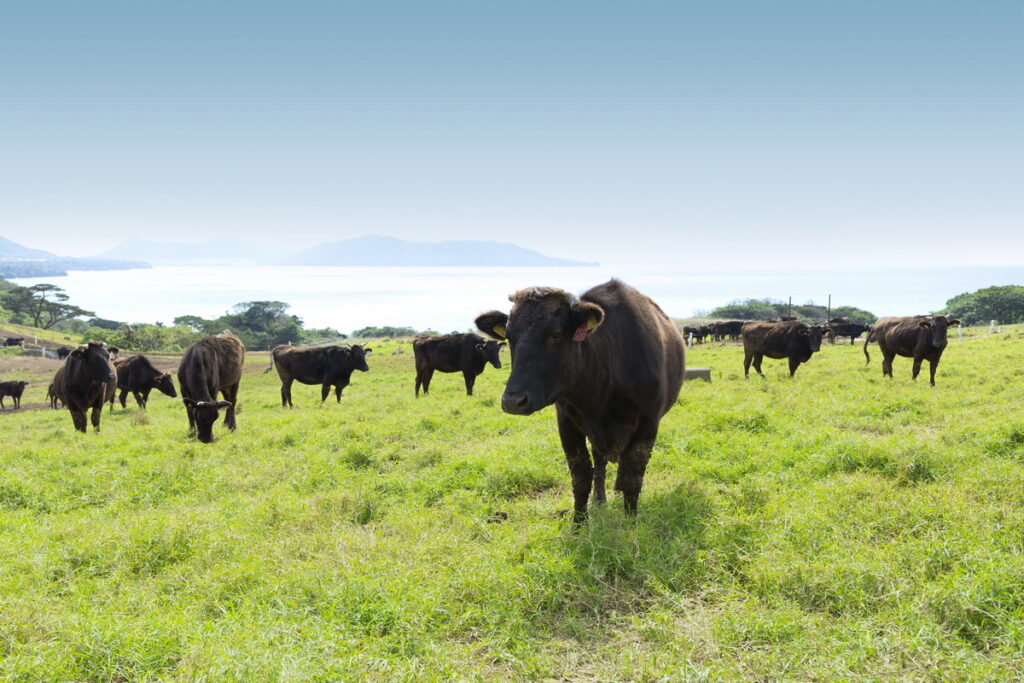
Livestock Management: Wagyu as a Member of the Family
Wagyu cattle in Japan are predominantly raised on family-run farms. Each farmer typically raises only 70–80 head of cattle, with every animal carefully named and individually cared for.
From birth, calves receive close attention, including stress reduction measures such as regular brushing. Feeding consist of corn, wheat, and rice straw, and so on.
Manure is recycled as fertilizer for rice fields, while rice straw is reused as cattle feed, forming a sustainable circular agricultural system.
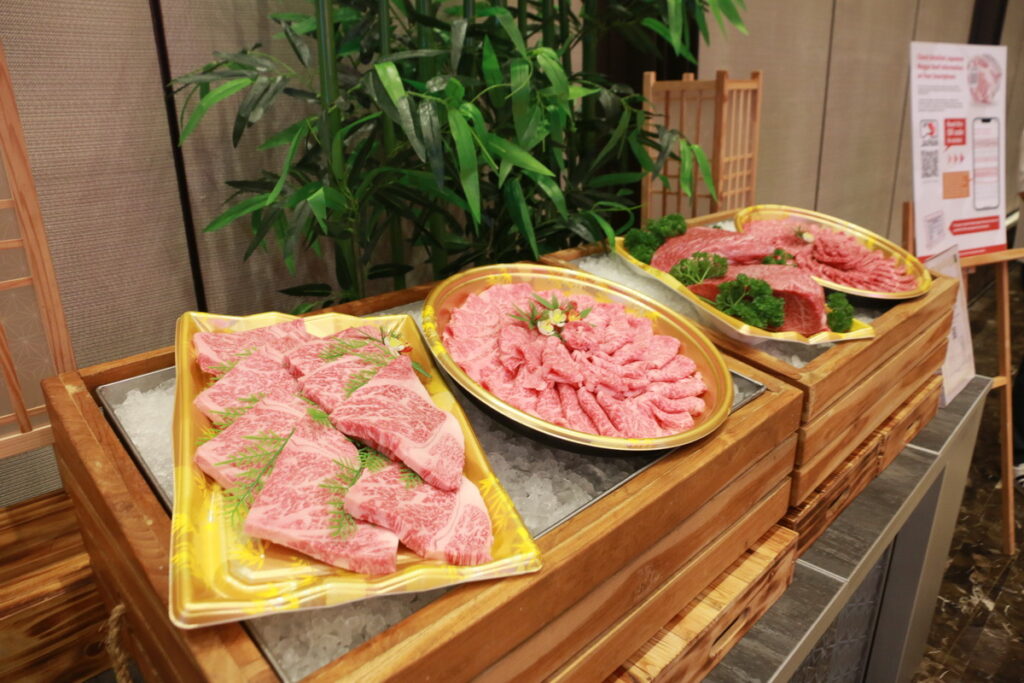
Grading System: A Global Standard of Trust
Japanese Wagyu grading is based on two primary criteria:
Yield Grade: A / B / C
Quality Grade: Levels 1–5
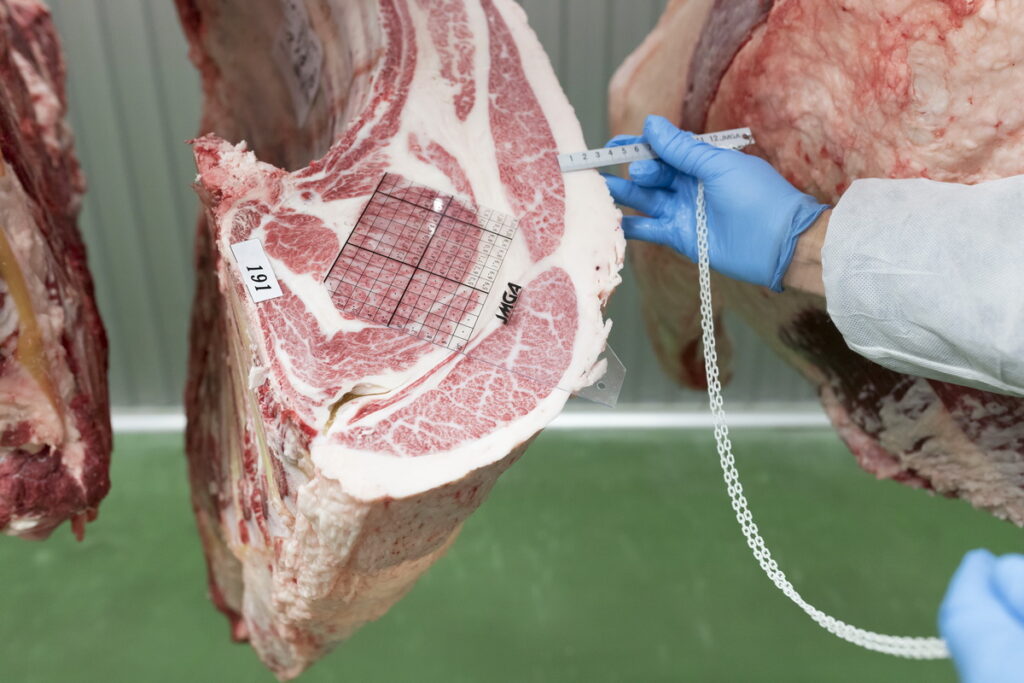
Evaluation considers marbling, meat color and brightness, firmness and texture, and fat color and quality.
Universal Wagyu Mark: Authenticity and Traceability
Universal Wagyu Mark certifies 100% authentic Japanese Wagyu. Established in 2007, this international logo guarantees that the beef comes exclusively from purebred Wagyu cattle raised in Japan.
Each cattle, including Wagyu, is assigned a 10-digit individual identification number, enabling full traceability from farm of origin, transportation records, , and slaughterhouse information. Consumers can access this information online via individual identification number codes displayed on packaging.
Wagyu Can Be Fully Utilized
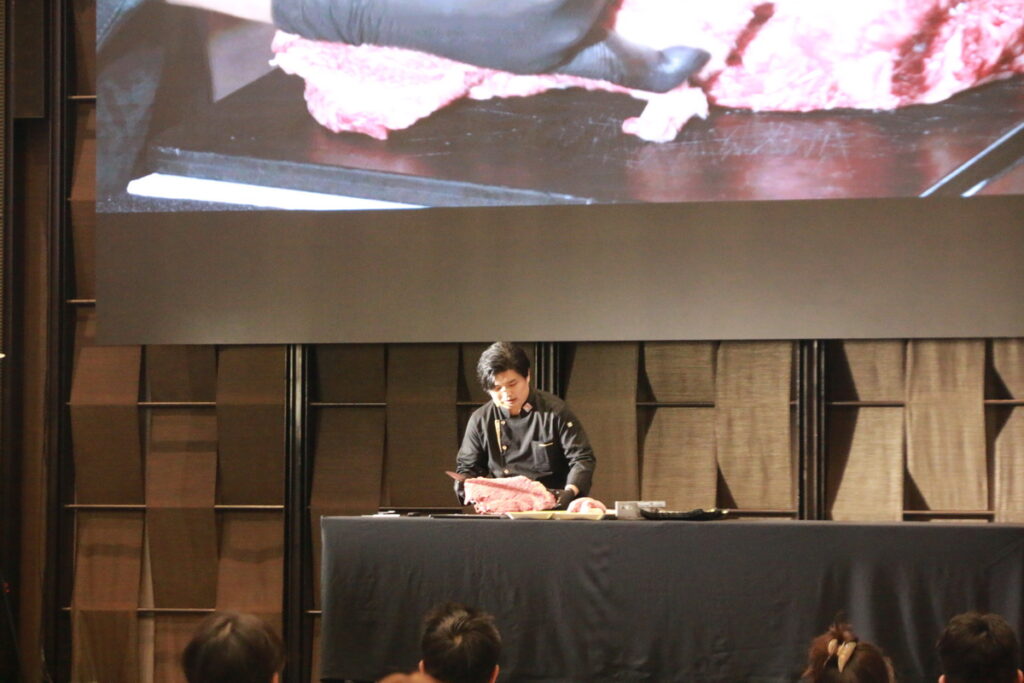
A highlight of the seminar was the Wagyu cutting demonstration conducted by Mr. Hiroaki Obata, butcher from Ginkakuji Onishi Co., Ltd., with over 10 years of experience in Wagyu butchery. He explained that while global markets often focus only on tenderloin and sirloin, known as primary cuts, Wagyu can actually be divided into 15 primary cuts and more than 50 sub-cuts.
Secondary cuts such as chuck roll, brisket, neck, and leg offer deep flavor and are ideal for low-temperature steak, grilling, sukiyaki, shabu-shabu, and braised dishes. Even Wagyu fat and tendons can be utilized to enhance aroma and flavor, ensuring no part is wasted.
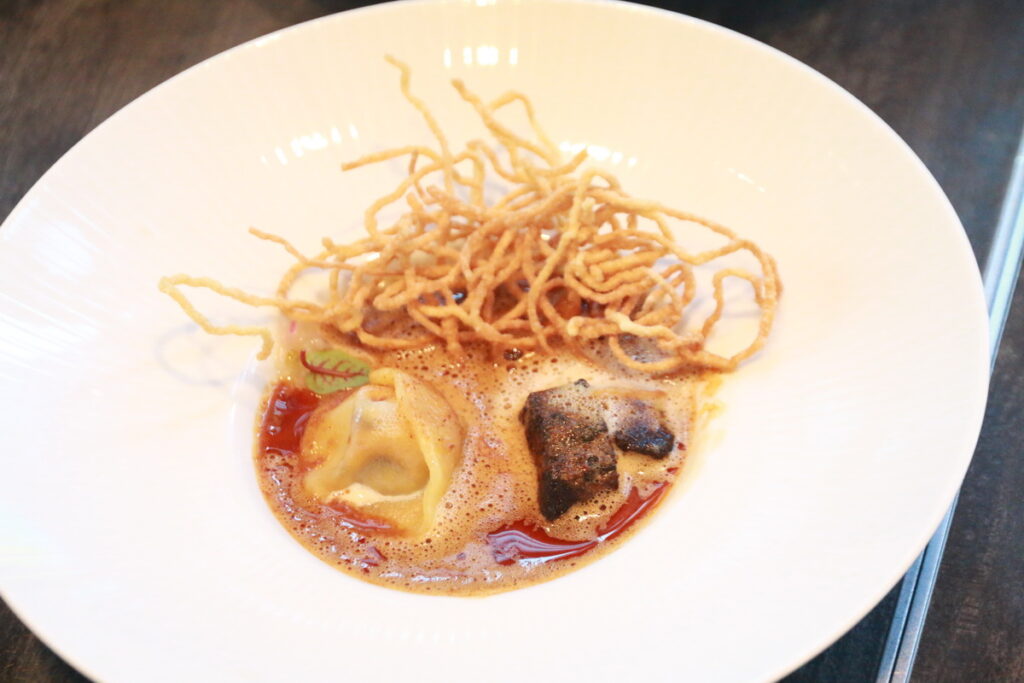
Thai Chefs Demonstrate Practical Applications
Thai chefs participating in the event demonstrated how Japanese Wagyu can be harmoniously integrated into Thai and international cuisine.
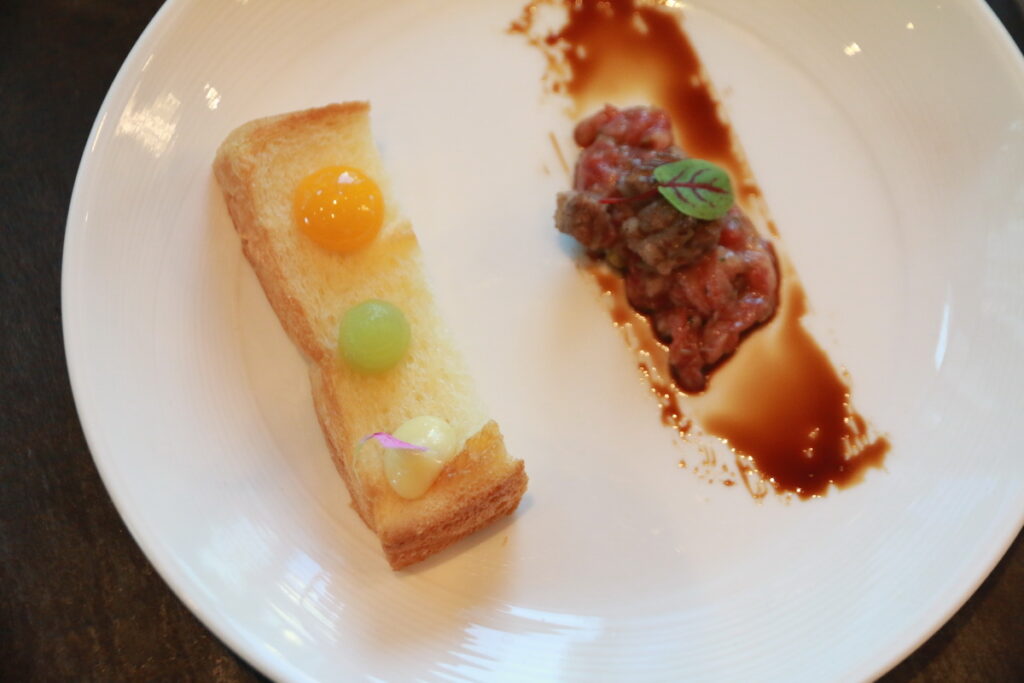
Chef Jan Jomchaya Phongphattravech showcased Wagyu shoulder cuts in Italian-inspired and Thai braised dishes, while Chef Fang Nattapong Nochuwet presented contemporary dishes using Wagyu shoulder and fat, highlighting Wagyu’s aroma and texture.
Both chefs emphasized that Wagyu is a truly zero-waste ingredient, offering value across all cuts while increasing menu value without raising costs.
Participating Japanese Companies 1. Bridge Port Co., Ltd. 2. Daikichi Shoten Co., Ltd. 3. Gensan Food Co., Ltd. 4. General Omigyu Trading Company Inc. 5. Itoham Yonekyu Holdings Inc. 6. Marufuku Inc. 7.NH Foods Ltd. 8. Nikujille Co., Ltd. 9. S Foods Inc. 10. Shimomura Chikusanshokuniku Co., Ltd. 11. Wagyu Japan Co., Ltd. 12. ZEN-NOHInternational Corporation
Mr. Yoshitomo Kinoshita concluded by emphasizing that Thailand remains a vital market for Japanese Wagyu. Proper understanding and responsible use of Wagyu not only enhance the value of restaurant businesses, but also contribute to sustainability across the entire food supply chain.
Contact Information
Japan Livestock Products Export Promotion Council (J-LEC)
Website: https://jlec-pr.jp/th/
J-LEC serves as Japan’s organization for promoting Japanese livestock overseas and for collecting and providing information related to livestock exports.
วากิวจากญี่ปุ่น จากความทุ่มเทของผู้ผลิต สู่ความเชื่อมั่นของตลาดไทย
ในธุรกิจอาหาร การคัดเลือกวัตถุดิบไม่ได้พิจารณาเพียงเรื่องราคาเท่านั้น แต่ยังประเมินจากแหล่งที่มา เรื่องราว ความสม่ำเสมอ และความน่าเชื่อถือ ท่ามกลางผลิตภัณฑ์เนื้อวัวทั้งหมดในตลาดโลก เนื้อวากิวญี่ปุ่นได้รับการยอมรับมาอย่างยาวนานว่าเป็นมาตรฐานอ้างอิงด้านคุณภาพ และประเทศไทยยังคงเป็นหนึ่งในตลาดสำคัญที่ญี่ปุ่นให้ความสำคัญเป็นพิเศษ
สิ่งนี้สะท้อนให้เห็นอย่างชัดเจนในการจัด สัมมนาเนื้อวากิวญี่ปุ่น ซึ่งจัดขึ้นในประเทศไทยเมื่อวันที่ 14 มกราคม 2569 สัมมนานี้จัดโดย สภาส่งเสริมการส่งออกผลิตภัณฑ์ปศุสัตว์ญี่ปุ่น (Japan Livestock Products Export Promotion Council: J-LEC) ภายใต้ชื่องาน Taste Japan’s Finest Wagyu: Tasting & Networking Seminar ณ โรงแรม The Okura Prestige Bangkok โดยมีวัตถุประสงค์เพื่อถ่ายทอดองค์ความรู้ที่ครอบคลุมเกี่ยวกับวากิวญี่ปุ่น ตั้งแต่ระบบการผลิต การเพาะพันธุ์ และมาตรฐานการจัดเกรด ไปจนถึงการประยุกต์ใช้จริงในอุตสาหกรรมร้านอาหารและฟู้ดเซอร์วิส
ภายในงานได้รับเกียรติจาก คุณโยชิโตโมะ คิโนชิตะ ประธานสภาส่งเสริมการส่งออกเนื้อวัวญี่ปุ่น ซึ่งมีบทบาทสำคัญในการผลักดันวากิวญี่ปุ่นสู่ตลาดโลก
เขาเน้นย้ำว่า จุดประสงค์หลักของการจัดสัมมนา ไม่ได้มีไว้เพียงเพื่อแนะนำเนื้อวากิวเท่านั้น แต่เพื่อให้ตลาดไทยมีความเข้าใจที่ถูกต้องและลึกซึ้งเกี่ยวกับวากิวญี่ปุ่น ครอบคลุมตั้งแต่พันธุกรรม ระบบการเพาะเลี้ยง ไปจนถึงการนำไปใช้ในการประกอบอาหารอย่างเหมาะสม
เขายังชี้ให้เห็นถึงความสำคัญของการแยกแยะวากิวญี่ปุ่นแท้ 100% ออกจากวากิวที่ผลิตในต่างประเทศ ซึ่งส่วนใหญ่เป็นโคพันธุ์ผสม ความเข้าใจดังกล่าวเป็นปัจจัยสำคัญที่จะทำให้การเติบโตของตลาดวากิวญี่ปุ่นในประเทศไทยตั้งอยู่บนพื้นฐานของความรู้และคุณค่าที่แท้จริง
ประเทศไทยเป็นหนึ่งในตลาดสำคัญของวากิวญี่ปุ่น ในปี 2024 ประเทศไทยติดอันดับที่ 6 ของโลกในด้านการนำเข้าเนื้อวัวจากญี่ปุ่น โดยมูลค่าการนำเข้าเพิ่มขึ้นมากกว่า 2.5 เท่าเมื่อเทียบกับปี 2019
วากิวญี่ปุ่น: เนื้อวัวที่ได้รับการยอมรับทั่วโลก
วากิวญี่ปุ่นเริ่มต้นจากมรดกทางพันธุกรรม คำว่า “วากิว” มาจากคำว่า Wa (ญี่ปุ่น) และ Gyu (โค) วากิวญี่ปุ่นแท้หมายถึง โคที่เกิด เลี้ยง เชือด และแปรรูปภายในประเทศญี่ปุ่นทั้งหมด ภายใต้มาตรฐานและการควบคุมที่เข้มงวด
ญี่ปุ่นมีโควากิว 4 สายพันธุ์ ได้แก่ โคดำญี่ปุ่น (Japanese Black), โคสีน้ำตาลญี่ปุ่น (Japanese Brown), โคญี่ปุ่นเขาสั้น (Japanese Shorthorn) และโค Japanese Polled โดยมากกว่า 97% ของวากิวที่เลี้ยงในญี่ปุ่นเป็นโคสายพันธุ์ Japanese Black ที่น่าสนใจคือ โค Japanese Black จำนวนมากในปัจจุบันมีบรรพบุรุษมาจากพ่อพันธุ์เพียงตัวเดียวที่เกิดเมื่อราว 80 ปีก่อน ซึ่งมีลักษณะเด่นด้านคุณภาพเนื้อ
ในทางตรงกันข้าม วากิวที่ผลิตนอกประเทศญี่ปุ่นมักเป็นโคพันธุ์ผสม ส่งผลให้มีความแตกต่างอย่างชัดเจนในด้านลายไขมัน กลิ่น และรสชาติ เมื่อเทียบกับวากิวญี่ปุ่นแท้
ลักษณะเด่นที่สุดของวากิวญี่ปุ่นคือ ลายไขมันละเอียด หรือที่เรียกว่า “ซาชิ (Sashi)” ซึ่งเกิดจาก พันธุกรรมของโค Japanese Black การจัดการอาหารอย่างพิถีพิถัน และเทคนิคการขุนเฉพาะของแต่ละฟาร์ม
ไขมันวากิวมีสัดส่วนของกรดโอเลอิกสูง ทำให้มีจุดหลอมเหลวต่ำ ไขมันจึงละลายอย่างนุ่มนวลในปาก ให้สัมผัสที่ละเอียดอ่อน ลายไขมันจึงไม่ใช่เพียงความสวยงามภายนอก แต่เป็นโครงสร้างหลักของรสชาติและสัมผัสของวากิว
อีกหนึ่งเอกลักษณ์ของวากิวญี่ปุ่นคือกลิ่นเฉพาะที่เรียกว่า “Wagyu Beef Aroma” กลิ่นนี้เกิดจากสารแลคโตนที่อยู่ตามธรรมชาติในไขมันวากิว และจะเด่นชัดที่สุดเมื่อเนื้อถูกให้ความร้อนที่ประมาณ 80 องศาเซลเซียส
กลิ่นดังกล่าวถูกอธิบายว่า หวานนุ่ม ละมุน คล้ายมะพร้าว ลูกพีช หรือกลิ่นนม แม้หลังจากเนื้อเย็นลงแล้ว วากิวยังคงปล่อยกลิ่นออกมาในระหว่างการเคี้ยว มอบประสบการณ์ทางประสาทสัมผัสที่ยาวนาน
เลี้ยงโควากิว: เปรียบเสมือนสมาชิกในครอบครัว
โควากิวในญี่ปุ่นส่วนใหญ่เลี้ยงในฟาร์มครอบครัว เกษตรกรแต่ละรายมักเลี้ยงเพียง 70–80 ตัว โดยตั้งชื่อและดูแลโคแต่ละตัวเป็นรายตัว ตั้งแต่แรกเกิด ลูกโคจะได้รับการดูแลอย่างใกล้ชิด รวมถึงการลดความเครียด เช่น การแปรงตัวเป็นประจำ อาหารประกอบด้วยข้าวโพด ข้าวสาลี และฟางข้าว เป็นต้น
ในขณะที่มูลโคถูกนำกลับไปใช้เป็นปุ๋ยในนาข้าว ขณะที่ฟางข้าวถูกนำมาใช้เป็นอาหารสัตว์ เกิดเป็นระบบเกษตรหมุนเวียนที่ยั่งยืน
ระบบการจัดเกรด: มาตรฐานความเชื่อถือระดับโลก
การจัดเกรดวากิวญี่ปุ่นพิจารณาจาก 2 เกณฑ์หลัก ได้แก่
Yield Grade: A / B / C
Quality Grade: ระดับ 1–5
การประเมินครอบคลุมลายไขมัน สีและความสดใสของเนื้อ ความแน่นและเนื้อสัมผัส รวมถึงสีและคุณภาพของไขมัน
Universal Wagyu Mark: เครื่องหมายรับรองความแท้และการตรวจสอบย้อนกลับ
Universal Wagyu Mark เป็นเครื่องหมายรับรองวากิวญี่ปุ่นแท้ 100% จัดตั้งขึ้นในปี 2007 โลโก้นานาชาตินี้รับประกันว่าเนื้อวัวมาจากโควากิวสายพันธุ์แท้ที่เลี้ยงในประเทศญี่ปุ่นเท่านั้น
โคทุกตัว รวมถึงวากิว จะมีหมายเลขประจำตัว 10 หลัก ทำให้สามารถตรวจสอบย้อนกลับได้ตั้งแต่ฟาร์มต้นทาง ประวัติการขนส่ง ไปจนถึงโรงเชือด ผู้บริโภคสามารถเข้าถึงข้อมูลเหล่านี้ทางออนไลน์ผ่านหมายเลขประจำตัวที่แสดงบนบรรจุภัณฑ์
วากิวสามารถใช้ประโยชน์ได้ทุกส่วน
หนึ่งในไฮไลต์ของสัมมนาคือ การสาธิตการตัดแต่งเนื้อวากิวโดย คุณฮิโรอากิ โอบาตะ ช่างแล่เนื้อจากบริษัท Ginkakuji Onishi Co., Ltd. ผู้มีประสบการณ์ด้านการตัดแต่งวากิวมากกว่า 10 ปี เขาอธิบายว่า แม้ตลาดโลกมักให้ความสำคัญกับเฉพาะสันในและสันนอกซึ่งเป็นชิ้นส่วนหลัก แต่ความจริงแล้ววากิวสามารถแบ่งออกเป็น 15 ชิ้นส่วนหลัก และมากกว่า 50 ชิ้นส่วนย่อย
ชิ้นส่วนรอง เช่น สันคอ บริสเก็ต คอ และขา มีรสชาติเข้มข้น เหมาะสำหรับการทำสเต๊กอุณหภูมิต่ำ การย่าง สุกี้ยากี้ ชาบูชาบู และเมนูตุ๋น แม้แต่ไขมันและเอ็นวากิวก็สามารถนำมาใช้เพิ่มกลิ่นและรสชาติได้ ทำให้ไม่มีส่วนใดสูญเปล่า
เชฟไทยสาธิตการใช้งานจริง
เชฟไทยที่เข้าร่วมงานได้สาธิตการนำวากิวญี่ปุ่นมาประยุกต์ใช้กับอาหารไทยและอาหารนานาชาติอย่างกลมกลืน
เชฟ แจน จอมฉาย พงศ์พัฒรเวช นำเสนอเมนูจากเนื้อวากิวส่วนหัวไหล่ในสไตล์อิตาเลียนและอาหารไทยตุ๋น ขณะที่ เชฟ ฟาง ณัฐพงษ์ นกชูเวช นำเสนอเมนูร่วมสมัยโดยใช้เนื้อหัวไหล่และไขมันวากิว เน้นกลิ่นและเนื้อสัมผัสอันเป็นเอกลักษณ์
ทั้งสองเชฟย้ำตรงกันว่า วากิวเป็นวัตถุดิบแบบ Zero Waste อย่างแท้จริง สามารถสร้างมูลค่าเพิ่มให้กับเมนูอาหารได้ทุกส่วน โดยไม่จำเป็นต้องเพิ่มต้นทุน
บริษัทญี่ปุ่นที่เข้าร่วมงาน 1. Bridge Port Co., Ltd. 2. Daikichi Shoten Co., Ltd. 3. Gensan Food Co., Ltd. 4. General Omigyu Trading Company Inc. 5. Itoham Yonekyu Holdings Inc. 6. Marufuku Inc. 7. NH Foods Ltd. 8. Nikujille Co., Ltd. 9. S Foods Inc. 10. Shimomura Chikusanshokuniku Co., Ltd. 11. Wagyu Japan Co., Ltd. และ 12. ZEN-NOH International Corporation
คุณโยชิโตโมะ คิโนชิตะ กล่าวสรุปว่า ประเทศไทยยังคงเป็นตลาดที่มีความสำคัญอย่างยิ่งสำหรับวากิวญี่ปุ่น ความเข้าใจที่ถูกต้องและการใช้งานอย่างมีความรับผิดชอบ ไม่เพียงช่วยเพิ่มมูลค่าให้กับธุรกิจร้านอาหาร แต่ยังสนับสนุนความยั่งยืนของห่วงโซ่อาหารทั้งหมดอีกด้วย
ข้อมูลติดต่อ
สภาส่งเสริมการส่งออกผลิตภัณฑ์ปศุสัตว์ญี่ปุ่น (J-LEC) เว็บไซต์: https://jlec-pr.jp/th/
J-LEC ทำหน้าที่เป็นองค์กรของญี่ปุ่นในการส่งเสริมการส่งออกผลิตภัณฑ์ปศุสัตว์ไปต่างประเทศ รวมถึงการรวบรวมและให้ข้อมูลที่เกี่ยวข้องกับการส่งออกด้านปศุสัตว์